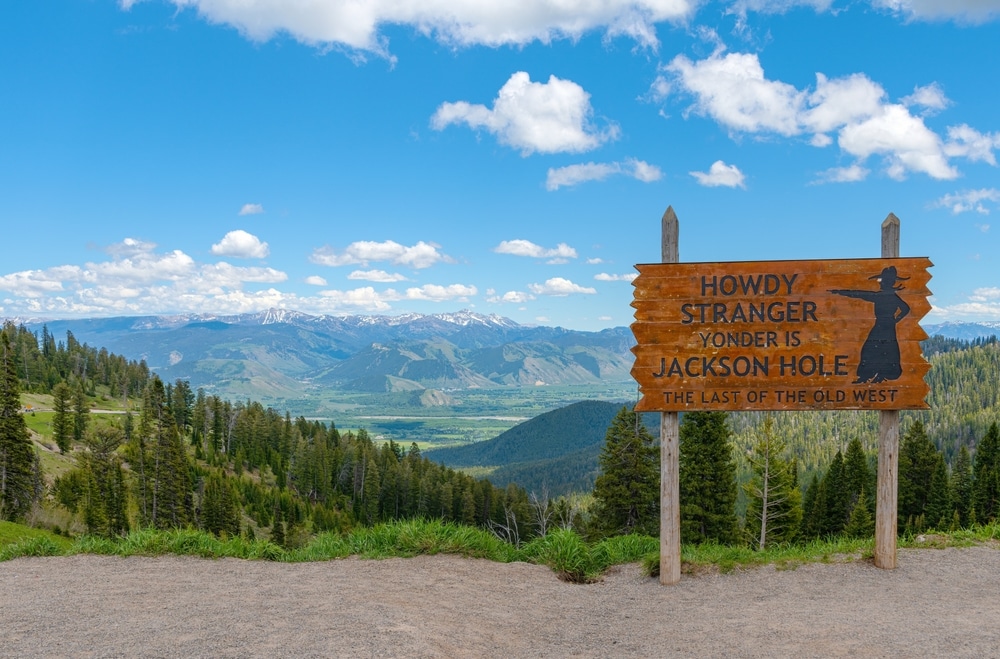
When your Lower Valley Energy bill arrives after a brutal January in Jackson Hole, you already know the culprit. Those beautiful picture windows framing Snow King Mountain are hemorrhaging heat into the -30°F darkness. Your home loses up to 30% of its heating energy through windows alone (Source: U.S. Department of Energy, 2022). And come July, those same windows turn your timber-framed great room into a greenhouse when temperatures spike to 85°F.
This isn’t a Denver problem or a Salt Lake City problem. This is a Jackson Hole problem—a 115-degree annual temperature swing that demands solutions engineered for Teton County’s extreme alpine climate. Energy-efficient shutters aren’t a luxury upgrade here. They’re thermal armor for your mountain home.
Why Jackson Hole’s Climate Destroys Standard Window Treatments
Standard curtains and blinds fail catastrophically in our valley because they weren’t designed for conditions like ours. The physics are brutal: cold air falls, warm air rises, and single-pane or poorly insulated windows create convective loops that suck heated air right out of your living space. When it’s -25°F outside your Teton Village chalet, that convection current runs constantly.
The Hidden Energy Drain in Mountain Rustic Construction
Jackson Hole’s signature architectural style—those gorgeous log cabins and timber-framed lodges—creates unique challenges. Log homes can experience 4-6% higher air infiltration rates than conventional construction (Source: National Association of Home Builders, 2021). Your hand-hewn beams and authentic chinking look stunning, but they create micro-gaps around window frames that standard treatments can’t address.
In East Jackson’s established neighborhoods, many homes blend traditional log construction with contemporary alpine elements. Floor-to-ceiling glass maximizes those Teton views, but also maximizes your exposure to thermal loss. Without proper insulation at the window, you’re essentially heating the outdoors.
What Temperature Swings Mean for Your Energy Bills
Teton County homeowners pay some of Wyoming’s highest energy costs. The average Wyoming household spends $1,847 annually on energy, with heating accounting for 45% of that total (Source: U.S. Energy Information Administration, 2023). But Jackson Hole’s altitude and extreme temperatures push many homes well above that average—especially older properties near Jackson Town Square that predate modern efficiency standards.
How Thermal Window Shutters Actually Work in Extreme Cold
Insulated shutters create a sealed air pocket between your window glass and your living space. This dead-air zone acts as an additional insulation layer, dramatically reducing both conductive and convective heat loss. Unlike decorative interior shutters, energy-efficient shutters use high-density foam cores or honeycomb structures with R-values between 3.0 and 6.0 (Source: ENERGY STAR, 2023).
The Science of R-Value in Mountain Homes
R-value measures thermal resistance—the higher the number, the better the insulation. Your walls likely have R-19 or higher insulation. Your windows? Even quality double-pane units only achieve R-2 to R-4. Adding insulated shutters can boost your window’s effective R-value by 50-70% (Source: Lawrence Berkeley National Laboratory, 2022).
For Rafter J Ranch homeowners dealing with those exposed western-facing windows, this matters enormously. Afternoon winter sun heats your home briefly, then disappears behind the Tetons—leaving you with massive heat loss through warmed glass now facing subzero darkness.
Summer Cooling Benefits You Shouldn’t Ignore
Jackson Hole’s summers have intensified. August afternoons now regularly hit the mid-80s, and south-facing windows in contemporary alpine designs can turn your home into an oven. Thermal shutters block up to 77% of solar heat gain when closed (Source: American Society of Heating, Refrigerating and Air-Conditioning Engineers, 2022), reducing your cooling load and protecting your furniture from UV damage.
| Window Treatment | Winter Heat Retention | Summer Heat Blocking | Typical R-Value Added |
|---|---|---|---|
| Standard Curtains | 10-15% | 33% | 0.5-1.0 |
| Cellular Shades | 20-25% | 45% | 2.0-3.5 |
| Insulated Shutters | 40-50% | 65-77% | 3.0-6.0 |
| Interior Storm Panels | 30-35% | 40% | 1.5-2.5 |
Matching Shutters to Jackson Hole’s Architectural Character
Your mountain home deserves solutions that complement its design heritage, not fight against it. The good news: modern insulated shutters come in styles that honor both traditional log cabin aesthetics and sleek contemporary alpine lines.
Options for Traditional Timber-Frame and Log Construction
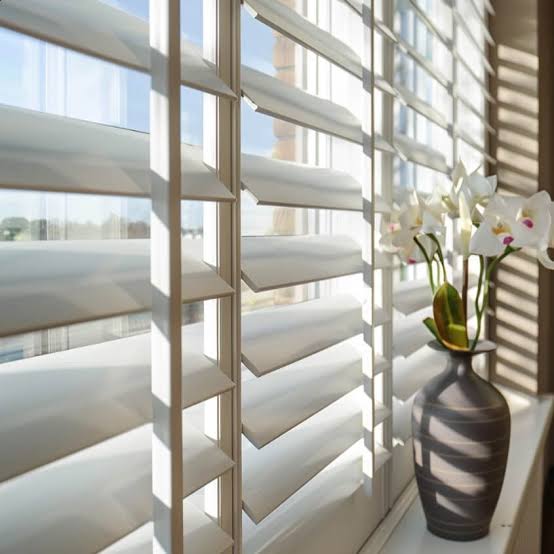
Plantation-style shutters with wide louvers pair beautifully with the horizontal lines of log construction. Stained wood finishes—alder, knotty pine, basswood—match the warm tones already dominant in your home. For authentic lodge aesthetics near Teton Village, board-and-batten exterior shutters provide both period-appropriate styling and functional thermal protection.
- Solid panel shutters: Maximum insulation, traditional look, ideal for bedrooms and utility spaces
- Louver shutters: Adjustable light control, excellent for great rooms and living areas
- Combination shutters: Upper louvers with solid lower panels, balances privacy and function
- Bi-fold configurations: Stack compactly for unobstructed Teton views when open
Contemporary Alpine Design Solutions
Newer construction in East Jackson and surrounding areas often features floor-to-ceiling glass, clean lines, and minimalist aesthetics. Here, motorized roller shutters or slim-profile interior shutters maintain your modern look while delivering serious thermal performance. Some systems integrate with smart home platforms, automatically adjusting based on temperature readings and time of day.
“Properly fitted insulated window treatments can reduce heating costs by 25-45% compared to bare windows in cold climates.”
— U.S. Department of Energy, Residential Energy Efficiency Guidelines, 2023
Installation Considerations for Teton County Homes
Proper installation separates energy-efficient shutters from expensive wall decorations. In Jackson Hole’s climate, every gap matters. Professional fitting ensures magnetic seals or compression gaskets create an airtight closure against your window frame.
Measuring for Mountain Home Window Configurations
Older homes around Jackson Town Square often have non-standard window sizes and slightly out-of-square frames—a natural result of log settlement over decades. Custom-measured shutters account for these variations, ensuring proper seal on all four edges. The difference between factory-standard sizing and precision-measured shutters can mean a 15-20% variance in actual energy performance.
- Measure width at top, middle, and bottom—use the smallest measurement
- Measure height at left, center, and right—use the smallest measurement
- Check frame depth to ensure adequate clearance for shutter hardware
- Note any obstructions: window cranks, locks, sensors
- Document window condition—wood rot or seal failures need addressing first
Working with Your Lower Valley Energy Account
Lower Valley Energy occasionally offers rebates or incentive programs for energy efficiency improvements. Before scheduling your installation, contact their member services department to ask about current programs. Some insulated window treatment upgrades may qualify for credits that offset your project cost. Document your before-and-after energy usage to quantify actual savings.
Why Hometown Value Beats Mass-Market Solutions
Big-box retailers sell “insulated shutters” that look similar to professional-grade products. The difference shows up on your Lower Valley Energy statement. Mass-market shutters typically use lower-density foam cores, thinner materials, and imprecise sizing that leaves gaps around your frame edges. In Teton County’s extreme climate, those shortcuts cost you 20-30% of your potential energy savings.
Local specialists understand that your Rafter J Ranch home faces different challenges than a Teton Village ski condo. They know which products perform in sustained -20°F conditions and which fail. They warranty their installations against our specific climate demands, not some national average.
Schedule your free energy assessment and shutter consultation with our Jackson Hole specialists today. We’ll analyze your specific windows, architectural style, and energy usage patterns to recommend solutions engineered for your home.
Protecting Your Investment in Mountain Living
You chose Jackson Hole for the views, the access, the community. Protecting that investment means addressing the realities of our extreme environment. Energy-efficient shutters pay for themselves through reduced heating costs, typically within 3-5 years for Teton County homes with significant window exposure.
Beyond the energy math, consider comfort. No more cold drafts rolling off windows during January dinner parties. No more furniture fading from unfiltered summer UV. No more watching your thermostat climb while Snow King Mountain stays stubbornly frozen in your view.
Your Jackson Hole home deserves window treatments that work as hard as our climate demands. Get your free consultation today and discover how thermal shutters transform both your comfort and your energy bills.
Frequently Asked Questions
How much can insulated shutters reduce my Jackson Hole heating costs?
Most Teton County homeowners see heating cost reductions between 25-45% on windows fitted with properly installed insulated shutters. The exact savings depend on your window size, orientation, and current efficiency level. Homes with older single-pane windows or large south-facing glass walls typically experience the highest savings, often recovering installation costs within 3-4 heating seasons.
Do energy-efficient shutters work in summer too, or just winter?
Thermal shutters deliver year-round performance in Jackson Hole’s climate. During summer months, closed shutters block up to 77% of solar heat gain, keeping your home cooler without air conditioning. This dual-season functionality makes them particularly valuable for homes with significant western exposure that face both winter heat loss and summer overheating challenges.
Can I install insulated shutters on non-standard window sizes common in log homes?
Yes, custom-measured shutters are specifically designed for the irregular window dimensions found in Jackson Hole’s log cabin and timber-frame construction. Because log settlement often creates slightly out-of-square frames, precision measurement ensures proper sealing on all edges. Factory-standard sizes rarely achieve the same thermal performance in mountain rustic homes.
What shutter styles complement contemporary alpine architecture?
Modern Jackson Hole homes with floor-to-ceiling glass and minimalist design pair well with slim-profile interior shutters, motorized roller systems, or recessed panel configurations. Many contemporary systems integrate with smart home platforms for automated temperature-based adjustment, maintaining clean aesthetic lines while delivering serious thermal performance.